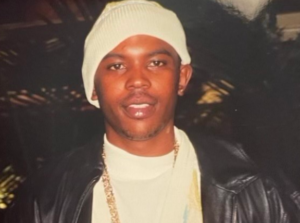
The passing of Oliver Power Grant at the age of 52 has sparked a deep wave of reflection across the hip-hop world, particularly among those who understand that the most influential figures are not always the most visible. While audiences often celebrate artists who stand at the front of the stage, the longevity and power of any cultural movement are frequently built by individuals working behind the scenes. Grant was one of those rare figures—someone whose presence was felt in structure, direction, and long-term vision rather than performance. His contributions were not measured in lyrics or spotlight moments, but in the systems he helped create and the opportunities he helped unlock. In an era when hip-hop was still defining itself, he recognized early that talent alone was not enough. It needed organization, strategy, and a framework that could support growth without sacrificing identity. Through his quiet leadership, he became a foundational force in shaping what would become one of the most influential collectives in music history.
During the early 1990s, as hip-hop continued to evolve and push against the limitations of the traditional music industry, the emergence of Wu-Tang Clan marked a turning point. The group’s structure—multiple artists operating both as a unit and as individuals—was unlike anything that had come before. It challenged industry norms and introduced a new way of thinking about collaboration, ownership, and artistic identity. Grant’s role during this formative period was critical in reinforcing that vision. He understood that what was being built had the potential to extend far beyond music. His ability to see the bigger picture aligned closely with key members like Method Man and GZA, who were instrumental in shaping the group’s sound and philosophy. Together, they contributed to a movement that blended raw creativity with calculated independence, setting a precedent that would influence generations of artists who followed.
One of the most groundbreaking aspects of that vision was its emphasis on ownership and entrepreneurial control at a time when such ideas were not widely embraced. Rather than conforming to the traditional model where record labels held the majority of power, the collective explored ways to retain control over their music, image, and business ventures. Grant played a meaningful role in supporting this direction, particularly through the development of Wu Wear. This venture became one of the earliest and most successful examples of artist-driven fashion in hip-hop, demonstrating that music could serve as a foundation for a broader cultural ecosystem. Wu Wear was more than merchandise—it was an extension of identity, a way for fans to connect with the movement beyond sound. Its success signaled a shift in how artists could approach their careers, proving that creative independence could coexist with commercial success. Today, many artist-owned brands and ventures trace their roots back to this pioneering model.
As the Wu-Tang Clan expanded its influence globally, its ability to maintain authenticity while reaching new audiences became one of its defining strengths. This balance was not accidental—it was the result of a strong foundation built in its early years, where strategy and creativity were treated as equally important. Grant’s work behind the scenes ensured that the infrastructure supporting the group was as innovative as the music itself. By helping to create stability and direction, he allowed the artists to focus on their craft without losing sight of the bigger vision. This synergy between artistry and organization became a hallmark of the movement, distinguishing it from many of its contemporaries. It also contributed to the group’s enduring relevance, as their approach continued to resonate long after their initial rise to fame.
Despite his significant impact, Grant remained largely out of the public spotlight, a choice that reflected both humility and a deep commitment to the work itself. In a culture that often rewards visibility, his preference for operating behind the scenes set him apart. He was not driven by recognition, but by the desire to contribute meaningfully to something larger than himself. Those who worked closely with him understood the value of his perspective, recognizing that his influence extended into decisions that shaped the trajectory of the entire movement. His ability to remain grounded while participating in something so culturally significant speaks to a rare kind of leadership—one that prioritizes substance over attention and long-term impact over immediate acclaim.
In the wake of his passing, Grant’s legacy becomes even more visible through the continued influence of the systems and ideas he helped build. The enduring success of the Wu-Tang Clan, along with the widespread adoption of artist-driven business models, stands as a testament to his vision. His story serves as a powerful reminder that the most transformative contributions are often the least visible, and that culture is shaped not only by those who perform, but by those who think, organize, and build behind the scenes. As fans, artists, and collaborators reflect on his life, what emerges is not just a narrative of success, but one of foresight, collaboration, and quiet innovation. His impact lives on in the structures he helped create, the opportunities he helped open, and the enduring belief that creativity, when paired with vision and independence, can reshape an entire industry.