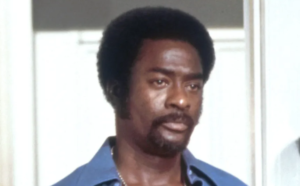
In the broader history of television, leading stars often receive most of the recognition, while many supporting performers remain quietly in the background. Yet some of those actors leave an impact that is just as meaningful. Ed Bernard was one of them. He was a character actor whose career reflected discipline, humility, and a deep respect for the craft of performance rather than a pursuit of fame.
Before appearing on television, Bernard built his foundation in the theater scene of Philadelphia. That environment demanded patience, presence, and consistency. Stage acting requires discipline because every performance happens in real time, without editing or second chances. It was there that Bernard developed the qualities that later shaped his screen work: preparation, focus, emotional control, and a grounded confidence that never needed to announce itself loudly.
As television expanded and became a major part of American culture, Bernard made the transition from stage to screen with natural adaptability. He did not abandon the lessons of theater. Instead, he carried them into every television role, bringing authenticity and quiet strength to his performances. His work reflected an actor who understood that even a small role could matter when performed with care.
Throughout his career, Bernard appeared in a variety of television series, contributing to the growing landscape of episodic storytelling. Shows such as Police Woman and The White Shadow benefited from his steady presence and believable approach. He was not the kind of performer who tried to dominate a scene. Instead, he strengthened it. His acting added texture, credibility, and emotional weight without distracting from the larger story.
What made his career notable was not one explosive breakthrough or a single defining moment of fame. His legacy was built through consistent, thoughtful work over time. In an industry often obsessed with visibility, Bernard represented another kind of success: reliability. Directors, producers, and fellow actors could trust him to deliver performances that served the story rather than his own ego.
That kind of professionalism is easy to overlook, but it is essential to strong television. Every memorable series depends not only on its stars, but also on the supporting actors who make the world feel real. Bernard understood that. He brought sincerity to his roles, giving even modest appearances a sense of purpose. His performances helped create the believable emotional environments that allowed stories to connect with audiences.
Beyond the screen, Bernard’s life reflected values that stood in quiet contrast to the noise of the entertainment industry. He maintained a strong connection to family, faith, and simple routines. Rather than chasing constant public attention, he seemed to value stability, reflection, and the relationships that gave life deeper meaning.
His personal faith played an important role in shaping his outlook. It offered him grounding and perspective beyond professional success. After the passing of his wife, with whom he had shared many years of marriage, Bernard gradually stepped away from public life. That chapter reflected a quieter kind of strength: the ability to face loss with dignity, privacy, and introspection.
His later years carried the same quiet dignity that had defined much of his career. After decades of contributing to television storytelling, he did not appear driven by the need to remain in the spotlight. Instead, he embraced a more private existence, choosing a life that reflected his values rather than the expectations of public visibility.
That decision reinforces an important truth about artistic legacy. A performer does not need constant attention to leave a lasting mark. Bernard’s work remains present in the episodes, scenes, and stories he helped bring to life. His contribution may not always be loudly celebrated, but it remains part of the foundation of the television era he helped shape.
In remembering Ed Bernard, it becomes clear that his impact extends beyond the roles he played. He represents the kind of actor whose value is found in consistency, humility, and dedication to craft. His career reminds us that great storytelling depends on more than famous names. It depends on disciplined performers who bring honesty to every role, no matter the size.
His life on and off screen stands as an example of quiet integrity. He showed that success can be measured not only by fame, but by reliability, respect, and the ability to enrich the work of others. His legacy is one of steady contribution, grounded presence, and enduring professionalism.
Ed Bernard may not have always stood at the center of the spotlight, but his work helped illuminate the stories around him. And sometimes, that kind of quiet dedication leaves the most lasting impression.