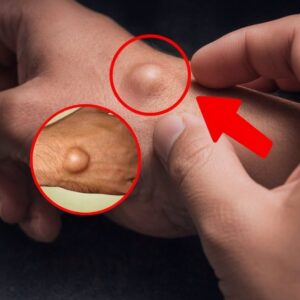
Finding a sudden smooth, shiny, or fluid-filled bump on the inside of your lower lip or anywhere inside your mouth can feel alarming at first. It may appear translucent, bluish, pinkish, or slightly purple, and because it often seems to appear out of nowhere, many people immediately fear the worst. However, in many cases, this type of bump is a common and usually harmless oral mucocele, also known as a mucous cyst.
An oral mucocele forms when a tiny salivary gland duct becomes damaged or blocked. Instead of saliva flowing normally into the mouth, it collects beneath the soft tissue, creating a small, dome-shaped swelling. This can make the bump look like a tiny water-filled blister or bubble. Although its appearance may be unsettling, a mucocele is typically benign and is often linked to minor everyday trauma, such as accidentally biting the lip, chewing the inside of the cheek, irritation from braces, or repeated friction from teeth.
The first sign is usually a soft, round swelling that feels movable and smooth. Some mucoceles are very small and barely noticeable, while others can grow large enough to interfere with eating, speaking, or closing the mouth comfortably. The color may vary depending on how close the trapped fluid is to the surface. Superficial mucoceles often look clear, bluish, or pearly, while deeper ones may appear more pink or red.
Most mucoceles are painless. That is one reason they can be confusing: they may look dramatic but cause little or no discomfort. Some people only notice them when their tongue brushes over the area. Others discover them while looking in the mirror after feeling something unusual inside the mouth. In many cases, the swelling may change size, shrink, rupture, or refill over time.
The lower lip is the most common location because it is easily injured by accidental biting or repeated pressure. However, mucoceles can also appear on the inner cheeks, under the tongue, on the floor of the mouth, or in other soft oral tissues. When a similar swelling forms on the floor of the mouth, it may be referred to as a ranula, which can sometimes require closer evaluation because of its location and size.
The main cause of an oral mucocele is usually minor trauma. A quick accidental bite, a sharp tooth edge, orthodontic irritation, lip chewing, or nervous biting habits can damage a small salivary duct. Once the duct is injured, saliva may leak into nearby tissue and form the cyst-like swelling. In other cases, the duct becomes blocked, causing saliva to build up behind the obstruction.
Although mucoceles can look concerning, they are not contagious and are not caused by poor hygiene. They are also not usually a sign of cancer. Still, any mouth lesion that persists, grows, becomes painful, bleeds, changes color, or does not heal should be checked by a dentist, doctor, or oral specialist. Professional evaluation is important because different oral conditions can sometimes look similar at first glance.
Diagnosis is usually simple. A dentist or oral surgeon can often recognize a mucocele by its appearance, texture, location, and history. They may ask when it appeared, whether it changes size, whether you remember biting the area, and whether it causes pain or irritation. In typical cases, no complicated testing is needed. If the bump is unusual, persistent, or repeatedly returns, the provider may recommend further examination or removal for confirmation.
Treatment depends on the size, symptoms, and how long the mucocele has been present. Small mucoceles may heal on their own within a few days or weeks, especially if the area is no longer irritated. During this time, it is best not to bite, poke, squeeze, or attempt to pop the bump. Doing so can worsen irritation, increase the chance of infection, or cause it to return.
Simple home care may include avoiding spicy or sharp foods that irritate the area, maintaining good oral hygiene, and using gentle warm saltwater rinses. These steps do not “cure” every mucocele, but they can help keep the mouth clean and reduce irritation while the tissue heals. The most important step is to stop the repeated trauma that caused the problem in the first place.
If the mucocele does not go away, keeps returning, becomes uncomfortable, or interferes with daily activities, a dentist or oral surgeon may recommend removal. Common treatment options include minor surgical excision, laser treatment, cryotherapy, or other small procedures depending on the case. These treatments are usually straightforward and are often performed under local anesthesia.
Surgical removal may involve taking out both the cyst and the affected minor salivary gland to reduce the chance of recurrence. Recovery is usually quick, and most people return to normal eating and speaking soon after healing begins. Follow-up care helps make sure the area heals properly and that the lesion does not return.
Preventing mucoceles often means reducing repeated irritation inside the mouth. People who bite their lips or cheeks during stress may benefit from becoming more aware of the habit and finding safer substitutes, such as chewing sugar-free gum or practicing stress-reduction techniques. Sharp teeth, rough dental fillings, braces, or poorly fitting dental appliances should also be addressed by a dentist.
Good oral hygiene can also support healing and reduce irritation. Gentle brushing, regular dental checkups, and avoiding harsh mouth products may help keep the tissues healthier. For people who experience repeated mucoceles, identifying the specific trigger is especially important.
In the end, discovering a sudden translucent or bluish bump inside the mouth can be frightening, but an oral mucocele is usually a manageable and benign condition. It often results from minor trauma, commonly appears on the lower lip, and may resolve on its own or with simple professional treatment. The key is not to panic, but also not to ignore it if it persists.
A smooth, fluid-filled bump may look serious at first, but in many cases, it is simply the mouth’s response to a small injury or blocked salivary duct. With proper care, professional evaluation when needed, and prevention of repeated trauma, most mucoceles heal without long-term problems. What begins as a worrying discovery often becomes a minor, treatable episode with an excellent outcome.